



Berwil Mécanique: Built to Last
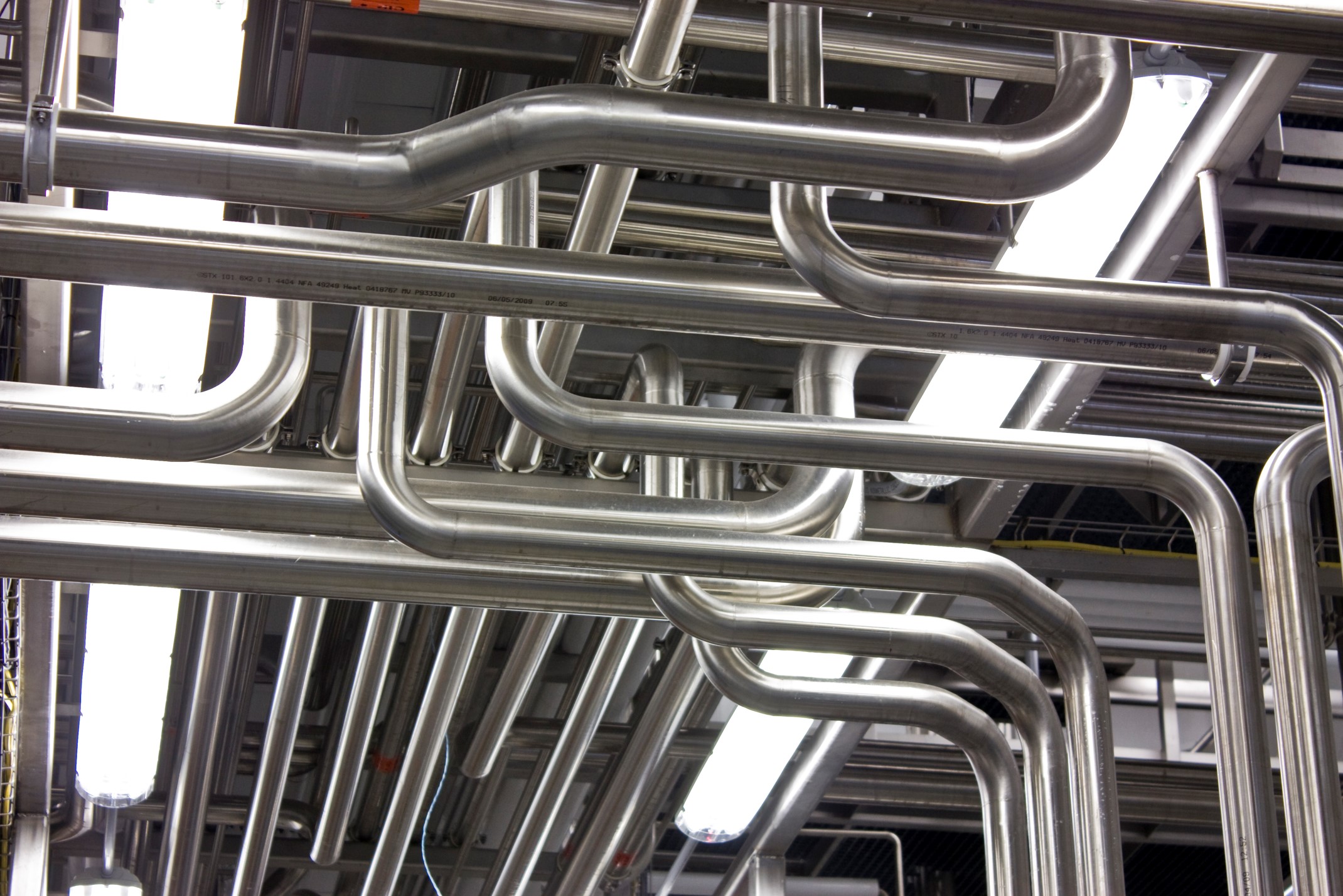
Stainless steel is a key material in the food industry, known for its strength and corrosion resistance. However, its sustainability has been increasingly called into question in recent years.
Stainless Steel: An Essential Alloy
Whether we call it “stainless steel” or simply “stainless,” this ferrous metal alloy consists primarily of:
- More than 50% iron
- At least 10–11% chromium (an essential element for corrosion resistance)
- No more than 1.2% carbon
Based on their chemical composition, stainless steels are classified into three main families: martensitic, ferritic, and austenitic. This classification determines their uses and performance characteristics.
While these materials have long proven their effectiveness, a concerning trend is emerging. Over the past 15 years, our teams have been called upon with increasing frequency by clients in the food and agricultural sector to repair equipment exhibiting advanced—and sometimes critical—crystallization. This degradation makes repairs particularly costly.
Why does this equipment deteriorate prematurely?
Are they simply too old or poorly maintained? Not necessarily. One major factor seems to explain this deterioration: the decrease in chromium content in certain types of stainless steel used to manufacture equipment.
Opting for a less expensive, medium-quality steel may seem economically advantageous in the short term, but it can lead to major problems in the long run. This steel is prone to premature deterioration of its mechanical properties, particularly due to three aggravating factors:
- Excessive exposure to heat during use, which reduces its elasticity and promotes the formation of microcracks.
- The use of increasingly aggressive chemicals during cleaning-in-place (CIP) cycles, which accelerates corrosion.
- The use of poor-quality, non-rotating cleaning balls, which consistently spray the cleaning solution in the same areas, causing accelerated localized wear.
Sustainability at Risk: A Cause for Concern
These factors combined compromise the longevity of industrial equipment. The trend over the past 15 years is clear: material certificates (Mill Tests) are increasingly being reduced to the bare minimum. While this approach may seem viable in the short term, it has significant consequences over time.
What, then, of the durability of our tanks, silos, basins, heat exchangers, pumps, and piping?
Our experts, customers, and partners in the metallurgy industry are observing the same trends and share legitimate concerns. It is therefore essential to adopt a proactive approach to mitigate these risks.
Our recommendations for extending the lifespan of your equipment
Here are some essential tips for avoiding costly problems:
- Be careful when making purchases: don’t rely solely on price—consider the quality of the materials as well.
- Choose to buy locally whenever possible to ensure better traceability and compliance with material standards.
- Choose 316 stainless steel over 304: it offers better corrosion resistance.
- If your budget is limited, at least ensure that all parts in contact with the product are made of 316 stainless steel.
- Request certificates of compliance for the materials and have them analyzed by experts before starting production.
- Inquire about the durability of equipment already in service that is sold by the supplier you are considering.
- Check the equipment warranties and negotiate an extension if necessary.
- Require that equipment undergo passivation before it is put into service, with a certificate to that effect.
- Avoid leaving standing water in a tank before it is used, as chlorine is extremely harmful to stainless steel.
Conclusion: Be Proactive Rather Than Reactive
This reality is already affecting many companies and is likely to worsen if no action is taken. It is therefore essential to adopt a preventive rather than a reactive approach, as repairs can be extremely costly and result in significant operating losses.
If you have any doubts about the condition of your equipment, please don’t hesitate to contact our experts at BERWIL. We can inspect your facilities and offer tailored solutions to optimize their durability and performance.